You want to improve performance by running your code on multiple threads? Then this training is for you!
This workshop covers the best ways to run code in parallel in Java today. We will deep dive into the concept of a thread pool executor, heavily used over the past 20+ years and present in every major modern Java framework. We'll see how they work, how big should you size them, how to avoid blocking precious threads, as well as pitfalls in exception handling, parallel streams, and Thread Locals.
This is the recording of a 3.5 hours live webinar that took place in December 2020.
Agenda
- Thread - Fundamentals
- Why not to manually create threads
- Thread Pool Executors: deep explanations
- Sizing a Thread Pool: Goetz Formula
- CompletableFutures
- @Async (Spring)
- Handle HTTP Requests Asynchronously
- parallelStream Best Practices
- ForkJoinPool
- Thread Locals Best Practices
- Handling Exceptions from other threads
What to expect?
We will solve together a series of exercises in Java (70% of the time) exploring the behavior of the tools we cover, discussing their intended purpose, pros and cons of each in detail. The coding will be backed by explanations of key theoretical concepts and demonstrated whenever via performance benchmarks. We will make some brief reference to the Spring Framework, but all the ideas are directly applicable to any other frameworks in Java: JavaEE, Quarkus and Micronaut.
After following this workshop, you'll acquire a solid knowledge about multithreading and you will take away at least a dozen of key practical techniques that you can apply to any real-life work involving multithreading. Expect an intense experience, as usual!
Disclaimer: Concurrency is a huge topic. The training does NOT cover concurrency control, race bugs, or deadlocks, nor ReactiveX or Akka Actors. Those might become the topic of another a future training.
Target Audience
Any Java developer, ideally with some prior contact with multi-thread code.
Technical Requirements
I would recommend you get yourself a black coffee and you pay close attention to the discussion, stop the recording at any moment and try to reproduce what I'm doing on your own machine. Next to the video you can download the code zipped together with the git history, so you can explore my commits if you get lost.
To run the project you will need a Java 8+ SDK installed, a decent IDE, and access to GitHub and Maven Central.
Optional Prep
You can find more details about completable futures and parallel streams online, such as these:
P.S.: The content is distilled from my 2-days (16-hours) Performance training. If you are interested in a private dedicated session for your company, please find here my entire curricula and contact details.
Course Curriculum
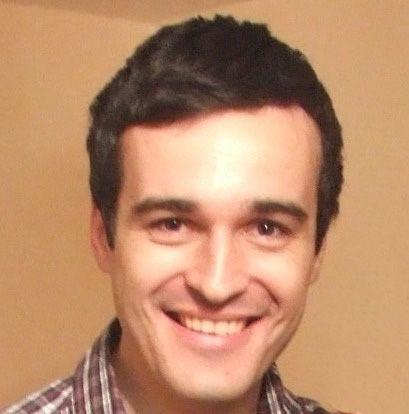
Trainer: Victor Rentea
Victor Rentea is a Java Champion, Associate Professor and Technical Trainer writing code for over two decades in many languages.
He is training developers since 2012, having developed an extensive curriculum that covers most of the software engineering best practices and typical Java-stack development. You can read dozens of recommendations from the developers he trained on LinkedIn and on victorrentea.ro.
Victor is best known for the energy of his talks, many ranked among the best at their conference. You can expect a similar style here, explaining complex concepts in simple, easy-to-remember terms.
Get Access
Frequently Asked Questions
How long do I have access to the course?
How does lifetime access sound? After enrolling, you have unlimited access to this course for as long as you like, across any and all devices you own.
Can I get an invoice for my company?
Payments are handled by Onelink, Stripe's reseller, which emails you the receipt. For a company invoice, contact Onelink starting from that receipt email.
I bought this course on Teachable. Do I pay again?
No. Every Teachable purchase was carried over: get your access link with the email you used there.